41 private links

The Raspberry Pi might sound like dessert, but it's actually a credit card–sized computer changing the world of DIY tech. First launched in 2012 by the Raspberry Pi Foundation, it was designed to make computing affordable and accessible for everyone. Since then, it's evolved into one of the most versatile tools in modern technology, powering everything from classroom lessons to smart home automation. For as little as $50, you get a device that consumes less than 27 watts of power, making it remarkably cost-efficient compared to full-size computers.

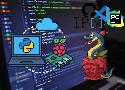
Coding directly on my Raspberry Pi is not the greatest. The lag, tiny screen, and weird keyboard make even small projects more complicated than they need to be. To solve this problem, I began exploring options to code from my main computer instead. After trying everything, I found a few methods that work, and I’ll walk you through them.

To level up your network administration game, you should consider running ntop on your Raspberry Pi