41 private links

2025 was wild. 2026? It's about to get wilder. The open source ecosystem is exploding with... Tagged with opensource, programming, javascript, ai.


Don't want to look away from the terminal to check the time? Use these methods to add a live clock to your terminal!

Tired of Nano's confusing keyboard shortcuts? Let's modernize your terminal text editor.

Does File Explorer work fine one moment, then suddenly freeze, restart, or vanish altogether? These crashes aren’t random—they’re usually triggered by issues with File Explorer itself, its settings or features, or even Windows. If this issue interrupts your workflow, here are some fixes you can try.

Here is a fact-based summary of the story contents:
Music Assistant’s just dropped its biggest update yet. It comes with a visual overhaul, a host of new features, and the introduction of a custom multimedia streaming protocol. If you use Home Assistant and rely on this awesome audio manager, you'll love version 2.7.

Learn how to store digital car keys on your Android smartwatch. Unlock and start your BMW, Kia, or Pixel-compatible car using Google Wallet and UWB technology.

Starting your first homelab? Not all operating systems are equal.
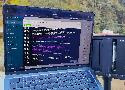
Making everything run from a single point of truth is a revelation

An unfortunately popular myth is that Rock music is un-African, a genre for white people in which Africans are under represented.

Try these apps in headless mode if you don't need to see the screen.

These small changes subtly reshaped how I plan my days

Supercharged my productivity

This is your checklist for the perfect Termux setup.
Take control of your network without leaving the Linux terminal.
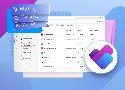
Microsoft Planner is a simple task board app that makes it easy to organize projects, share tasks, and collaborate quickly.

Anubis is an open source AI firewall that adds proof of work challenges to limit large scale web scraping and abusive automated traffic.

Audi e-tron-konflikten spidser til. Protestgruppe har nu dokumenteret fejlmønstre, mens FDM lister de tekniske svigt. Læs seneste nyt her.

Forskere fandt markant lavere risiko for demens
Gennem analyser af deres store datasæt er forskerne kommet frem til, at de deltagere, der spiste 50 gram fed ost og fløde om dagen midt i livet, angiveligt havde en lavere risiko for at udvikle demens i løbet af de næste 25 år.
Helt konkret havde de deltagere, der spiste omkring 50 gram fed ost om dagen, cirka 13 procent lavere risiko for demens og omkring 30 procent lavere risiko for vaskulær demens sammenlignet med dem, der spiste meget lidt. Vaskulær demens er en afart af sygdommen, der skyldes forstyrrelser i hjernens blodforsyning.

Ifølge Styrelsen for Samfundssikkerhed er der en væsentlig risiko for cyberangreb og fremmede magters interesse i kritisk infrastruktur.
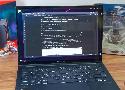
RSS may no longer be the hip new thing, but it's still incredibly useful for following news, and I find it essential for keeping up with the news.